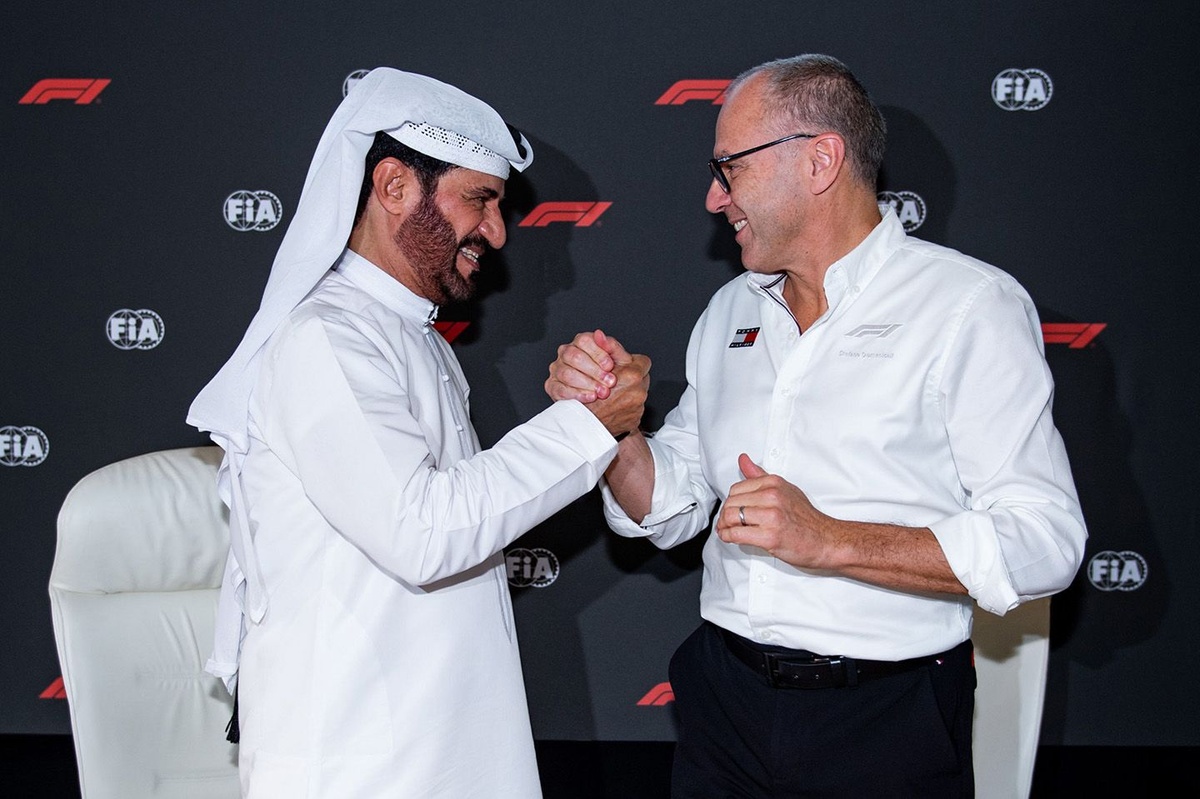
FIA President Mohammed Ben Sulayem has officially announced that V8 engines are set to return to Formula 1 by the year 2031, marking a significant shift in the sport's technical regulations. This decision comes as part of the FIA's broader plan to revitalize the sport's engine diversity and appeal to traditional motorsport enthusiasts.
The move to reintroduce V8 engines is aimed at creating a more engaging and nostalgic racing experience, reminiscent of the engines used in F1 during the late 2000s and early 2010s. Sulayem emphasized that this change aligns with the FIA's goal to balance innovation with the preservation of motorsport heritage.
According to the FIA president, the decision was made after extensive consultations with teams, manufacturers, and stakeholders across the racing community. The new regulations are expected to be finalized in the upcoming years, with the first V8-powered cars anticipated to appear on the grid by 2031.
Industry experts and fans alike have expressed mixed reactions to the announcement. Supporters believe that the return of V8 engines will boost excitement and competitiveness in F1, while some critics argue it may compromise the sport's push towards sustainability and hybrid technology.
In recent years, Formula 1 has heavily focused on hybrid power units and sustainable fuels, aiming to reduce carbon emissions and promote green technology. The reintroduction of V8 engines could signify a shift back towards more traditional internal combustion engines, potentially impacting the sport's environmental commitments.
Despite the controversy, the FIA remains committed to implementing the new engine regulations, stating that safety, performance, and sustainability will all be carefully considered during the development process. The timeline for these changes suggests that teams and manufacturers will need to adapt their engineering strategies well in advance of the 2031 season.
As the motorsport world awaits further details, the decision to bring back V8 engines marks a bold step in F1's evolving landscape. It highlights the ongoing debate between innovation and tradition, and the sport's desire to balance technological progress with its rich history.
Overall, the announcement by Mohammed Ben Sulayem signals a new chapter for Formula 1, one that could redefine the sound, spectacle, and competitive dynamics of the world's premier racing series in the coming decade.